
Essential Medical Devices for Home Healthcare
- Moni Kovacs
- Dec 27, 2025
- 4 min read

In recent years, the landscape of healthcare has shifted dramatically, with more individuals opting for home healthcare solutions. This trend is not just a response to the ongoing global health challenges but also a reflection of the desire for personalized care in the comfort of one’s home. With the right medical devices, patients can manage their health effectively without frequent hospital visits. This blog post will explore essential medical devices that can enhance home healthcare, ensuring safety, convenience, and improved health outcomes.

Understanding Home Healthcare
Home healthcare refers to a range of medical services that can be provided in a patient’s home. This includes everything from routine check-ups to more complex medical procedures. The primary goal is to provide care that is as effective as what patients would receive in a hospital or clinic, but with the added comfort of being at home.
Benefits of Home Healthcare
Convenience: Patients can receive care without the need to travel, which is particularly beneficial for those with mobility issues.
Personalized Care: Home healthcare allows for tailored treatment plans that cater to individual needs.
Cost-Effective: It often reduces the overall cost of healthcare by minimizing hospital stays and associated expenses.
Improved Quality of Life: Patients can recover in a familiar environment, which can enhance their emotional well-being.
Essential Medical Devices for Home Healthcare
To facilitate effective home healthcare, several medical devices are essential. Below are some of the most important devices that can help manage health conditions and monitor vital signs.
Blood Pressure Monitors
Monitoring blood pressure is crucial for individuals with hypertension or heart conditions. A digital blood pressure monitor is user-friendly and provides accurate readings.
Features to Look For:
- Automatic inflation for ease of use.
- Memory function to store previous readings.
- Large display for easy reading.
Glucometers
For individuals with diabetes, regular monitoring of blood glucose levels is vital. A glucometer allows patients to check their blood sugar levels at home.
Key Features:
- Fast results, usually within seconds.
- Small blood sample requirement.
- Data storage for tracking trends over time.
Pulse Oximeters
A pulse oximeter is a non-invasive device that measures the oxygen saturation level in the blood. This is particularly important for patients with respiratory conditions.
Benefits:
- Quick and easy to use.
- Portable and can be used anywhere.
- Provides immediate feedback on oxygen levels.
Thermometers
Fever is often the first sign of illness. A reliable thermometer is essential for monitoring body temperature, especially in children and elderly patients.
Types:
- Digital thermometers for quick readings.
- Infrared thermometers for contactless measurements.
- Ear thermometers for accuracy in children.
Nebulizers
For patients with asthma or chronic obstructive pulmonary disease (COPD), nebulizers deliver medication directly to the lungs. This device is essential for managing respiratory conditions effectively.
Considerations:
- Portable models for ease of use.
- Compatibility with various medications.
- Easy to clean and maintain.
Mobility Aids
For patients with limited mobility, devices such as walkers, canes, and wheelchairs are essential for maintaining independence and safety at home.
Types of Mobility Aids:
- Walkers for stability and support.
- Canes for balance assistance.
- Wheelchairs for those who cannot walk.
Home Monitoring Systems
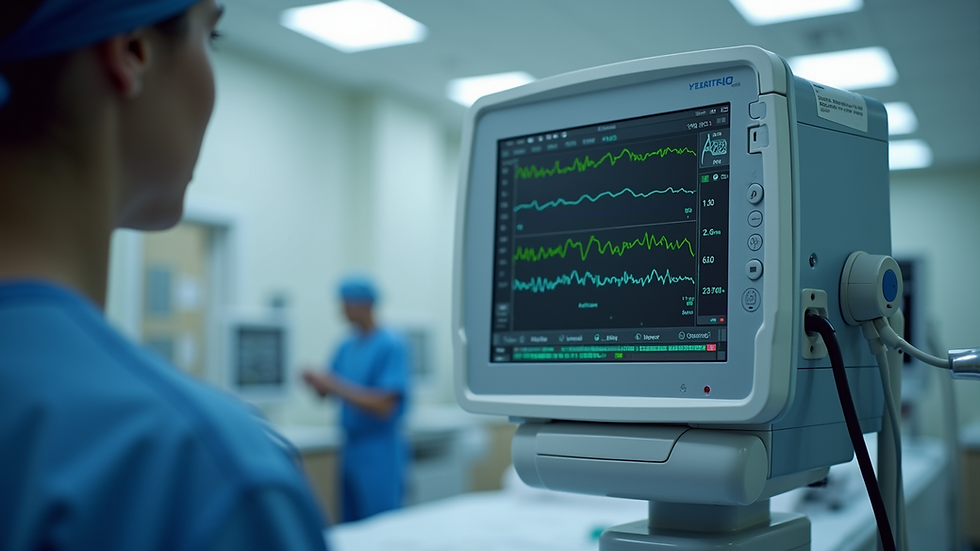
Advanced home monitoring systems can track various health metrics and alert caregivers or healthcare providers if there are any concerns. These systems can include wearable devices that monitor heart rate, activity levels, and sleep patterns.
Features:
- Real-time data transmission to healthcare providers.
- Alerts for abnormal readings.
- User-friendly interfaces for patients.
Choosing the Right Devices
When selecting medical devices for home healthcare, consider the following factors:
Patient Needs: Assess the specific health conditions and requirements of the patient.
Ease of Use: Choose devices that are user-friendly, especially for elderly patients or those with limited technical skills.
Cost and Insurance Coverage: Check if the devices are covered by insurance or if there are affordable options available.
Reviews and Recommendations: Look for devices with positive reviews and recommendations from healthcare professionals.
Maintaining Medical Devices
Proper maintenance of medical devices is crucial to ensure their effectiveness and longevity. Here are some tips:
Regular Cleaning: Follow manufacturer instructions for cleaning to prevent infections and ensure accuracy.
Battery Checks: Regularly check and replace batteries to avoid interruptions in monitoring.
Calibration: Some devices may require periodic calibration to maintain accuracy.
The Role of Caregivers
Caregivers play a vital role in home healthcare. They are often responsible for operating medical devices, monitoring patient health, and communicating with healthcare providers. Training caregivers on how to use these devices effectively can enhance patient care and safety.
Training and Support
Device Training: Ensure caregivers receive proper training on how to use each medical device.
Emergency Protocols: Establish clear protocols for emergencies, including when to contact healthcare providers.
Support Networks: Encourage caregivers to connect with support groups for shared experiences and advice.
Conclusion
Home healthcare is becoming increasingly important as more individuals seek to manage their health in a comfortable environment. By equipping homes with essential medical devices, patients can take control of their health and improve their quality of life. Whether it’s monitoring blood pressure, managing diabetes, or ensuring mobility, the right tools can make a significant difference.
Investing in these devices not only supports patient independence but also fosters a proactive approach to health management. As we continue to embrace home healthcare, let’s ensure that we have the right resources in place to support our health journey.

Comments